

Knowing the 'Know-How'
An homage to the 'savoir-faire' and 'petit mains' behind the spectacle of Chanel.

When I was visiting the Louvre for the first time in 2022, something dawned on me. We were in the French decorative art rooms, looking at masterpieces—snuff boxes, enameled jewelry, an insane gemstone-inlaid table I’ll never forget. I thought to myself, who keeps this craft alive?
In the Renaissance period, for example, young apprentices would learn for years how to master one craft for the rest of their lives. In 2025, it’s hard to even remotely imagine that any folks like this still exist. In what world could craft still be celebrated, when every 24 hours, it seems like there’s a new AI tool to use or layoffs happening because of it?
The good news is: these makers do still exist, using techniques that are hundreds of years old while also inventing new ones. The makers are behind the term “savior-faire,” meaning “know-how” in French. And today, we’re going to have a moment to celebrate it in honor of Matthieu Blazy’s first pre-fall outing for Chanel.
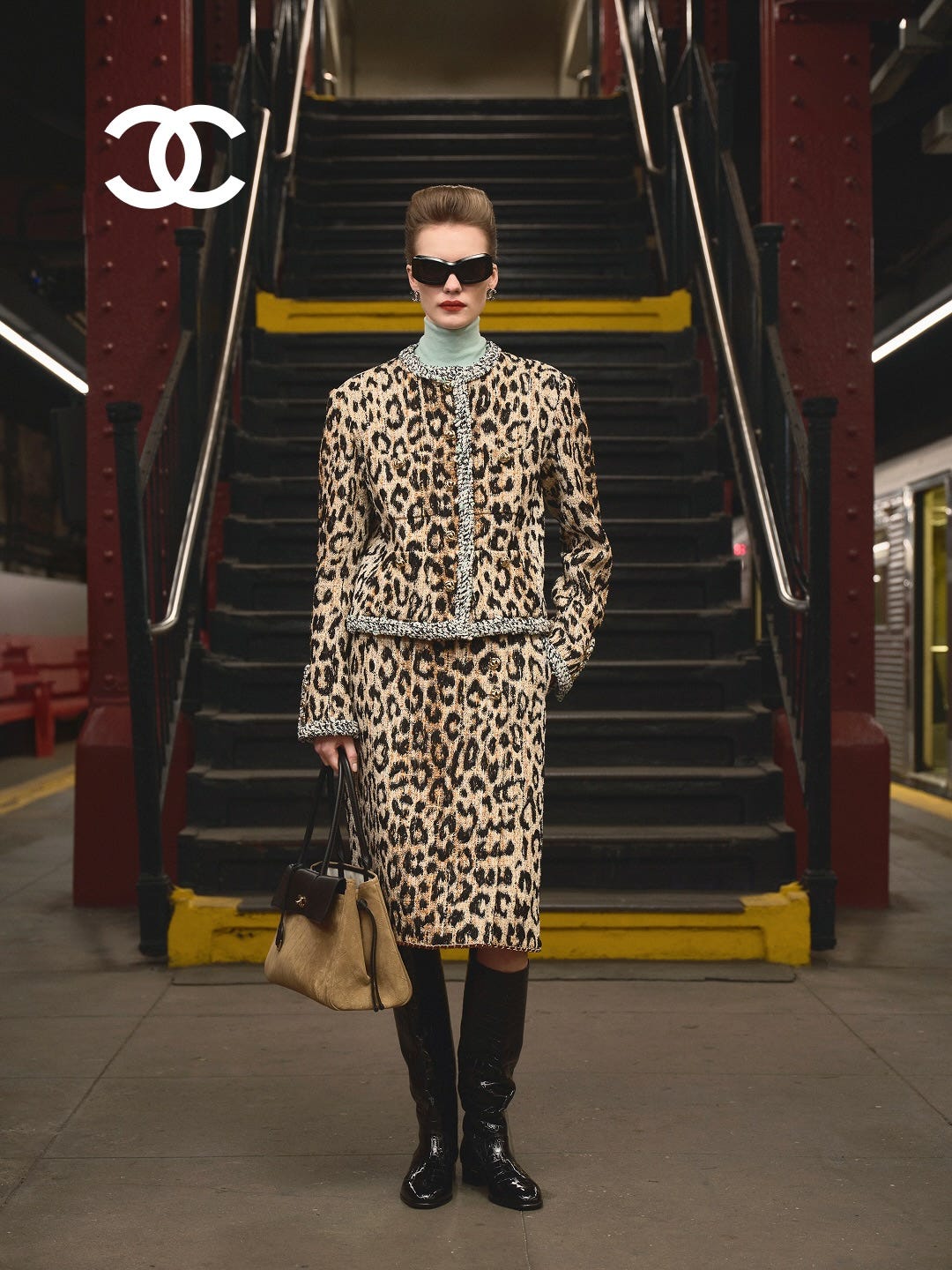
Chanel highlights savoir-faire in all of their collections across couture and ready-to-wear. For S/S ‘26, there was an entire plaid suit that upon first glance, looked like fabric, but was in fact, beguilingly made of beads.

My personal favorite Chanel collection of the year will always be the Métiers d’art collection. Why? It doubles down on the house’s commitment and celebration of handiwork, while also presenting something that feels, in theory, wearable. Think haute couture but with elements that could actually exist in real life vs only on display in a museum.
Gabriella Karefa-Johnson put it so well in her recent piece on the show:
“Okay, maybe part of that everlasting allure is a function of the collection itself. The Métiers d’Art show which serves as the houses Demi-couture Pre-Fall offering is made available in limited quantity for select clientele and boutiques; it exists to showcase the craftsmanship of it all. In a word: it’s relatively rare, and VICs clamor to fill their closets with it. To own a piece of a Metier collection is to own a morsel of the brand’s truest identity. Ultimate luxury, achingly iconic handiwork.”
This year’s edition took place in New York City.
The use of savoir-faire exists across many fashion houses, utilized regularly in marketing. That said, Chanel an entity has specifically invested in it with the opening up their le19M complex in 2021, a facility dedicated to housing the various artisanal workshops that make up the very Métiers d’art: Maison Michel, Lesage, Goossens, Lemarié, Atelier Montex, Massaro etc. For me, it’s a dream world.
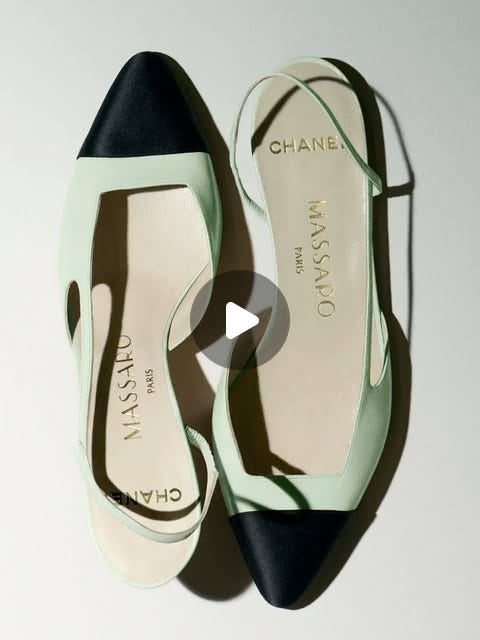
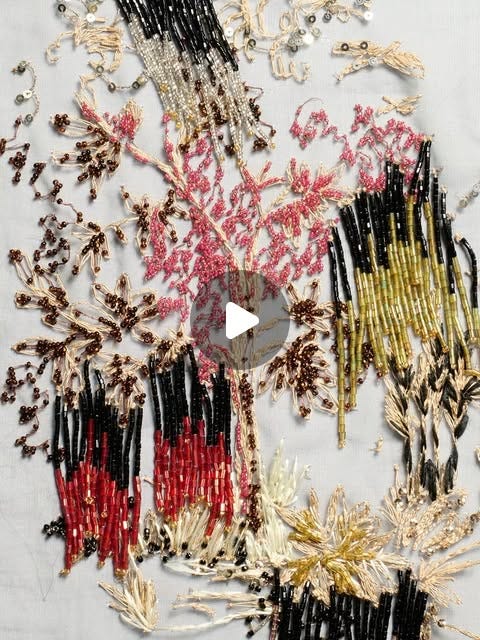
A dream world that I EAT up. I’ve rewatched the episode of 7 Days Out which featured Haute Couture Spring 2018 and countless videos showing the process behind collections each season. It’s meditative for me. I mean, how many times have I seen Dior & I or Marc Jacobs & Louis Vuitton?
So, in the days since the show, I was so pleased to see Chanel’s content and social media team highlighting the artisans involved in making Blazy’s Paris-New York City collection come to life. (The social media expert in me also knows this type of content is a major win for the algorithm, because it is strikingly beautiful to look at and also share and episodic!)
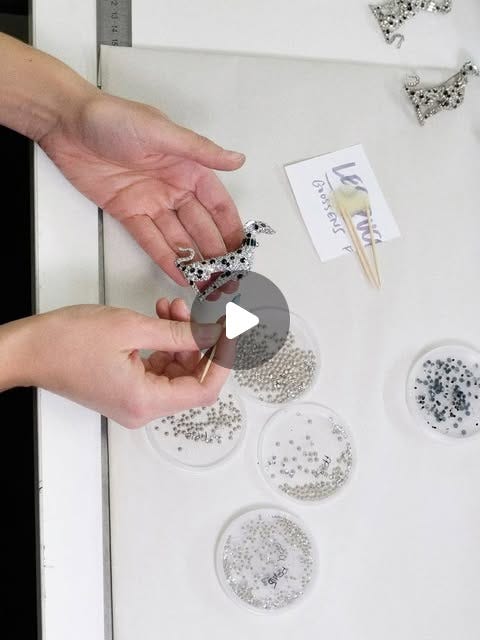
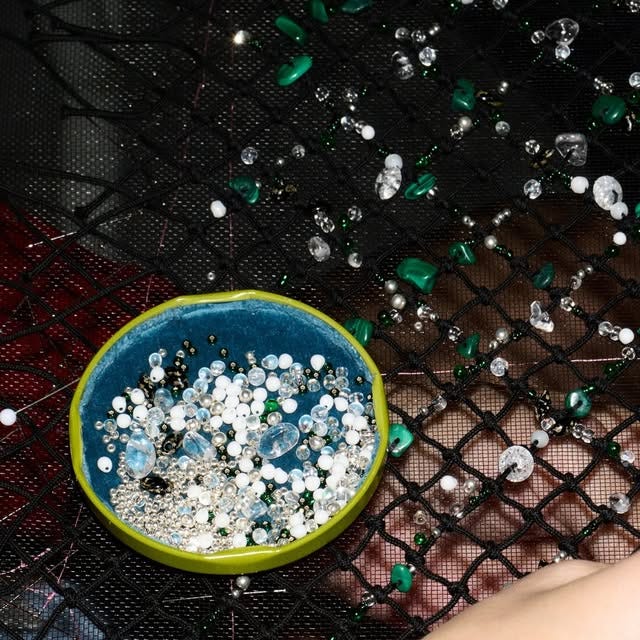
Across each workshop’s socials, the Chanel team has put together interviews, detailed in-progress imagery, and other beautiful moments showing garments and accessories from the work table all the way to the show’s subway station venue. Artisans shared their stories of how they got into their craft at each atelier, and what they’re doing to keep their skills active—from embroidery, floral work (i.e. the iconic Chanel camellias), millinery, goldsmithing, feather working, lace weaving, etc in a way I haven’t seen revealed before, which I deeply appreciated.
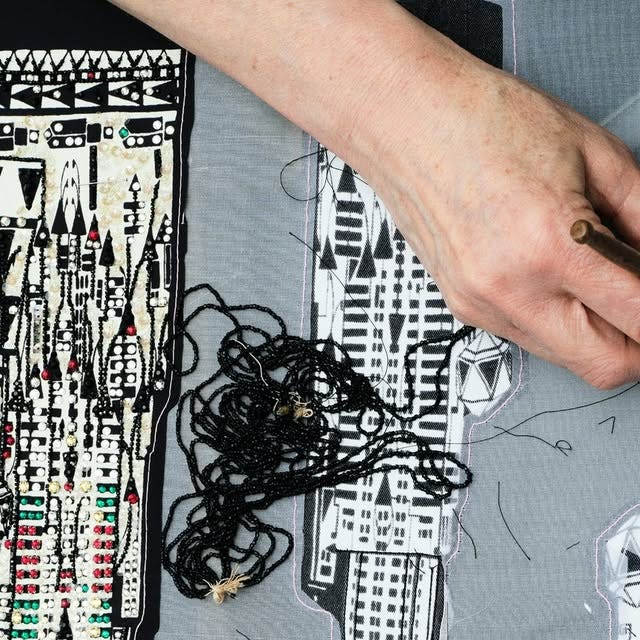
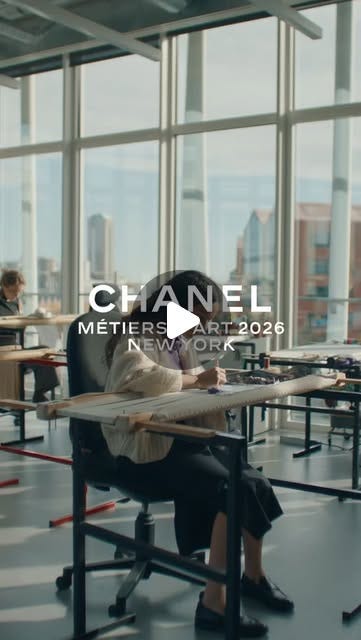
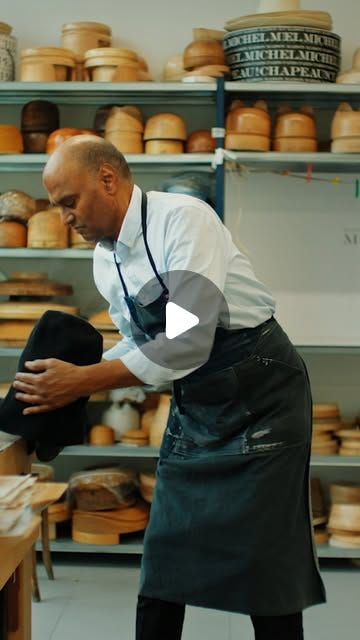
When all we see are price increases across designer labels and musical chair creative director news, it’s hard to remember that there are really wonderful people behind all of it, making truly one of a kind pieces that honestly belong in museums. Do yourself a favor and watch the episode of 7 Days Out I mentioned—seeing one of the lead seamstresses tear up about how much she loves dressmaking is truly so special.
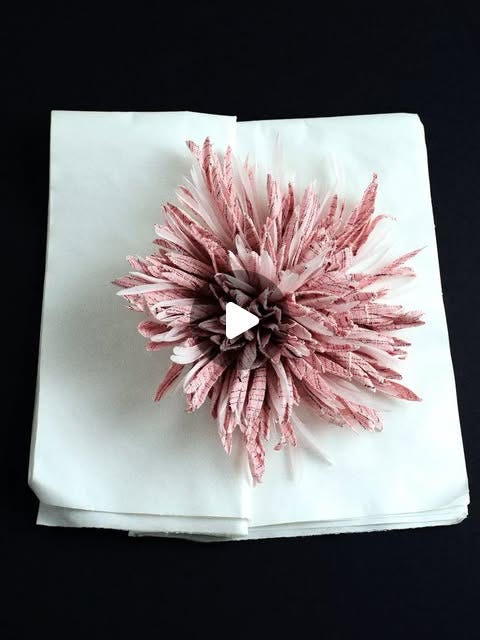
As soon as the collection was shown, armchair experts were trying to decode it at lightning speed, and overall the collection was met with mostly positive reviews. Of course, there has been plenty of discourse about whether what he is presenting “is Chanel” or not.
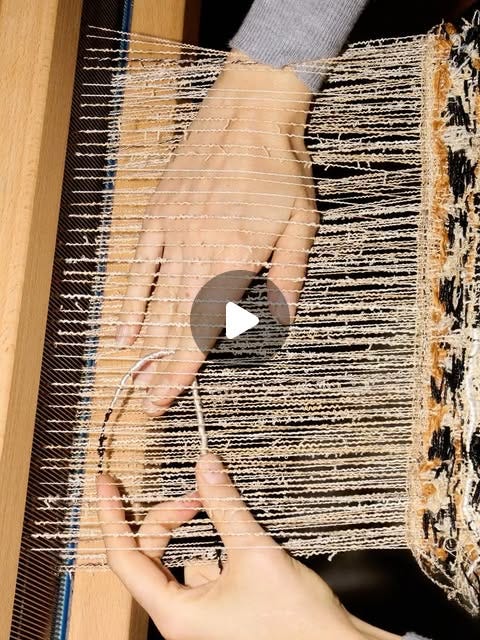
Regardless of what you may think, taking a deeper look into savoir-faire is an opportunity to stop and appreciate, in many ways, art for art’s sake. In this current timeline, those moments of intentional pause feel very hard to find, and, in a strangely Renaissance-ian way of thinking about it, of course one great monolithic fashion house’s patronage is the factor that keeps these things going.
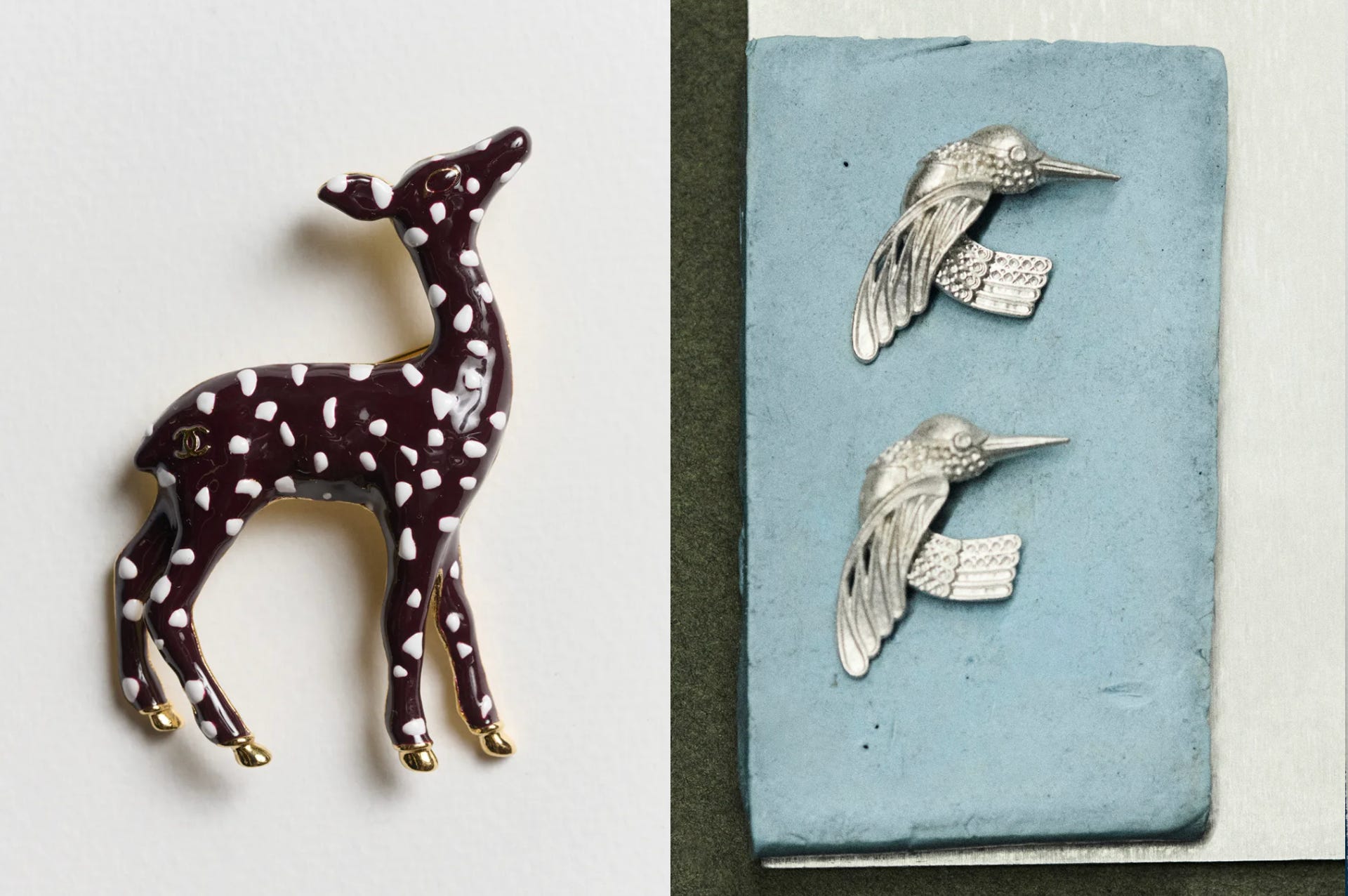
Honestly, I don’t think you can argue with the dedication to craft that Chanel as a house has had for years. It’s a critical exercise in keeping nearly-lost ways of working and fabricating relevant.
Now, a few words on why the Métiers d’art collections are my favorite. I always adore how each year, this specific collection is rooted in a location with history linking it back to the house. There’s always such a clear theme, and the creativity and dedication to that theme, which we saw with Blazy’s interpretations of New York City archetypes was refreshing. Andy Warhol, Diana Vreeland, Clark Kent, or even the cartoonish cat-eye sunglasses that felt straight out of a John Waters picture or like Debbie Harry should have been wearing them in the late 70s.

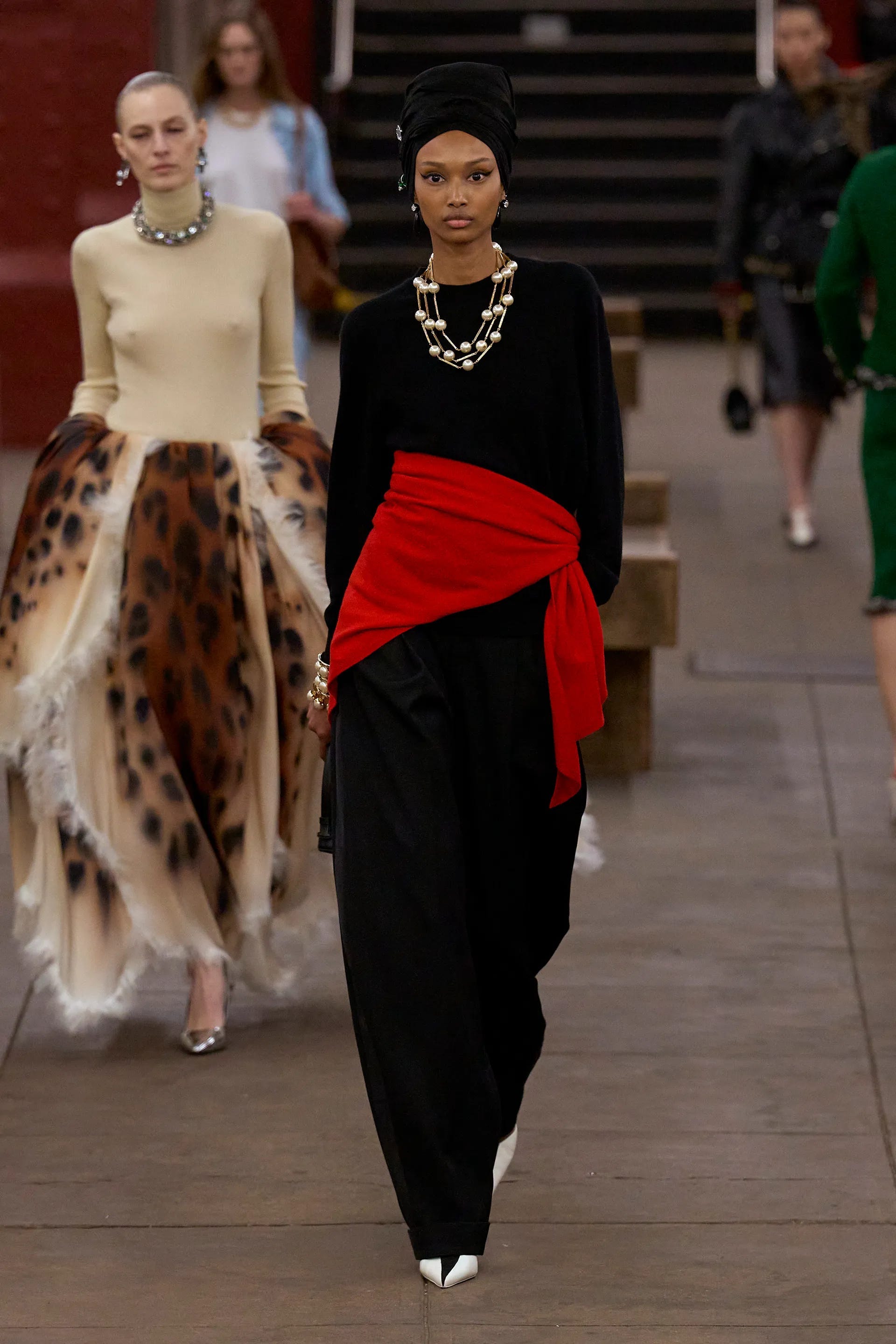
My Métiers d’art obsessions will always be Paris-London Pre-Fall 2008, with every model styled in a Winehouse beehive, Paris-Rome for Pre-Fall 2016 in a famous Roman soundstage, the ornate Paris-Moscow in 2009, and Paris-Byzance for Pre-Fall 2011. I could go on. (Like, can we all pitch in and buy this insane coat from the 2008 collection?). It was even so meaningful to me when Virginie Viard took Chanel to Manchester two years ago—embracing the city’s incredible musical and cultural history to inform the looks, giving Chanel a markedly English moment.
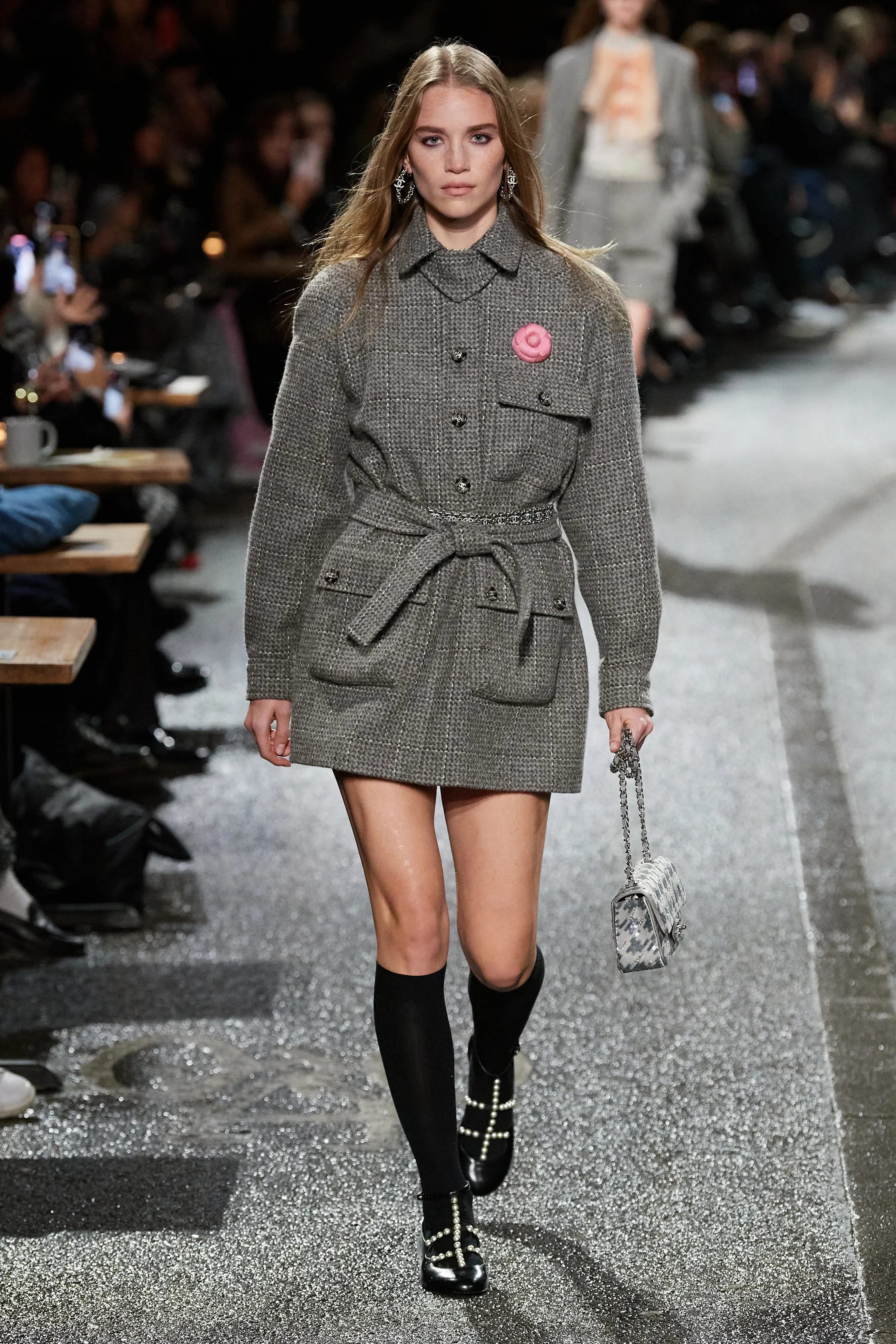
Perhaps, my life’s work could be a book dedicated to Chanel’s Métiers d’art collections. Paging Sofia Coppola: shall this be your next Important Flowers edition? I’m waiting!

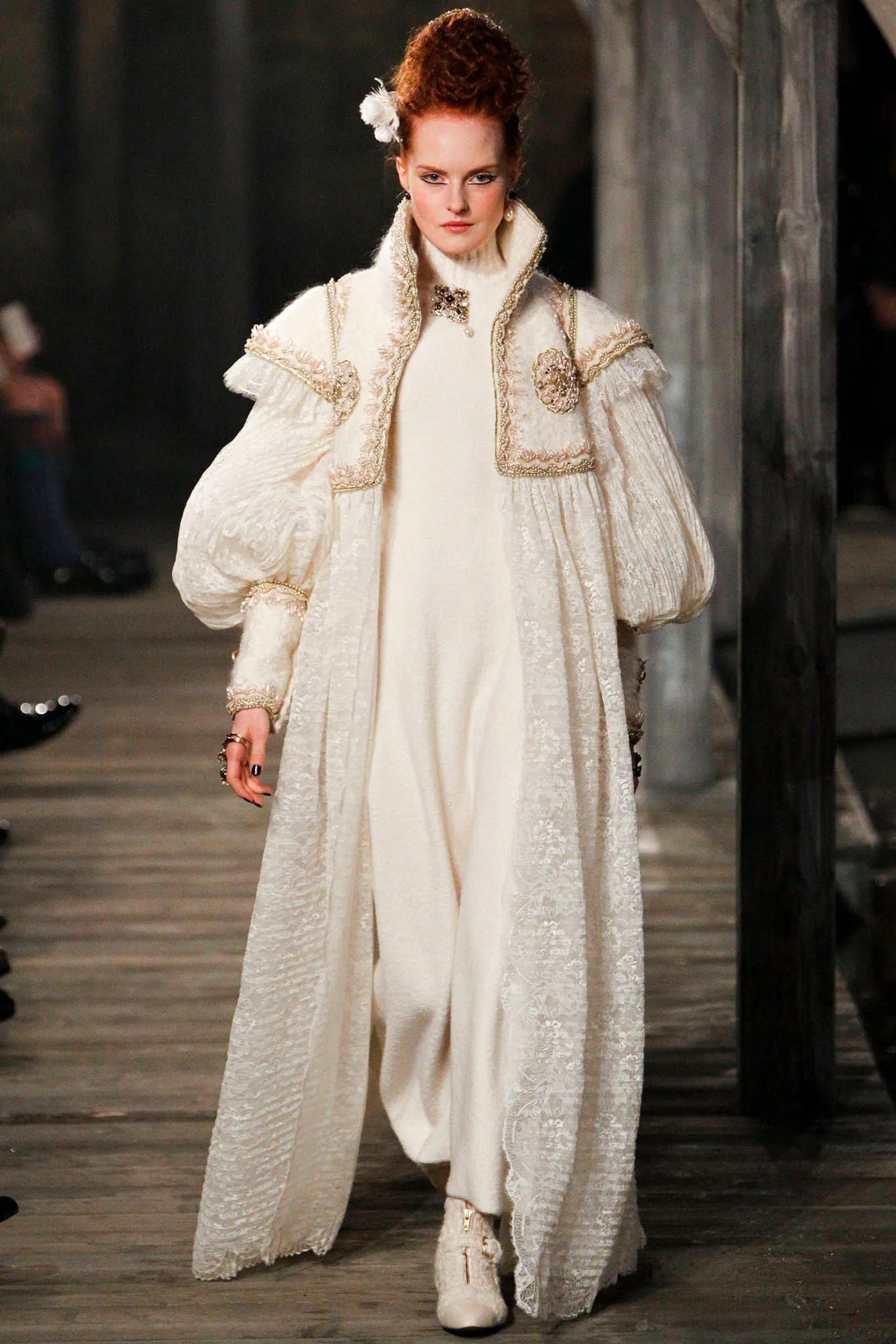
Another favorite was Karl’s Paris-Edinburgh Pre-Fall 2013 collection, which featured the iconic Scot (and gone too soon) Stella Tennant opening the show in layers of gorgeous wool tartans. The closing looks of creme tweed gowns will always make think of Mary Queen of Scots haunting the castle where she was born (which is in fact where the show was staged.)
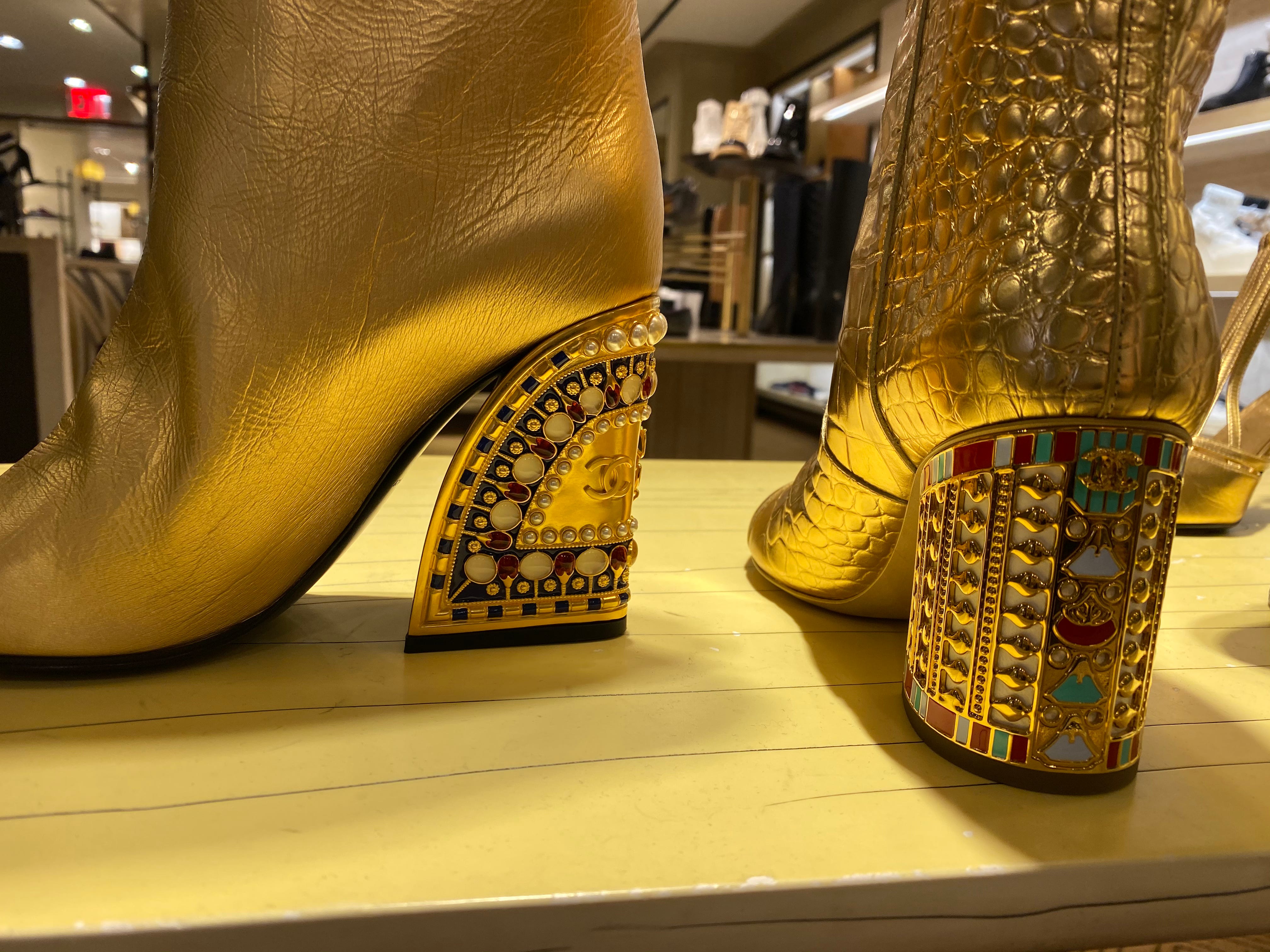
Another core Chanel memory: I’ll never forget when I saw the knee-high golden boots from Pre-Fall 2019 in person at Bergdorf’s.
Finally, my most prized possession is a pair of patent leather loafers with a special zig-zag trim from Karl’s Pre-Fall 2015 Métiers collection Paris-Salzburg (see some of the savior-faire in action here), perhaps my favorite of Chanel’s pre-fall offerings in the last two decades. The scenery embroidered on the clothes, the homage to the alps—all set in a baroque estate. The ultimate fantasy.

I just got them zhuzhed up at the cobbler for another season. Proof that investment is worth it—for me, the petit mains and the whimsical work of the métiers that Chanel invests in is a welcome exploration of taking your time, pausing, and being present.
I hope you’ve enjoyed this, I enjoyed writing it!
Beautiful letter. You should absolutely write that book! Xx
I loved this letter so much and learned some french at the same time.